Register Now Hotel Reservation Link
Spring Roundtable Working Agenda | ||
Thursday, April 16th | ||
Breakfast & Networking 7:30 - 8:15 (Room 7) | ||
TOPIC | TIME | LOCATION |
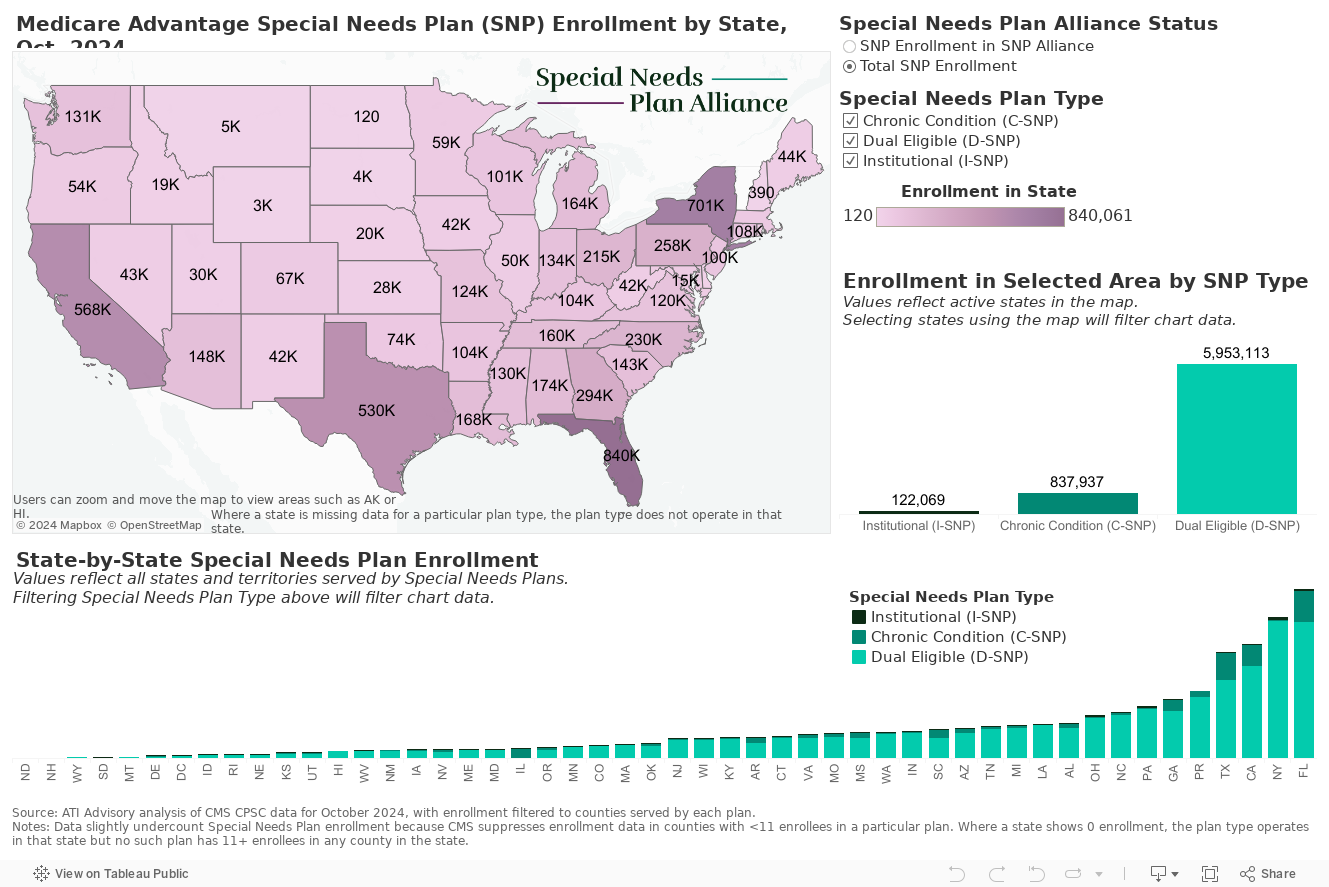
MA/SNP Policy Direction – CMS and Congress Based on the most recent CMS data, SNPs enrollment has grown from 5 million to 7.4 million making up close to 25% of all MA enrollment. SNPs enrollment all is complex with higher cost. And, there are challenges with SNP quality measurement. Specifically, CMS quality ratings are designed broadly for all MA, not SNPs. Such higher costs and lack of clear quality information presents risks for scrutiny as MA reform discussions unfold and Congress, as well as MedPAC, examine the status of the Medicare Trust Fund. CMS also may raise questions about MOC of care implementation and other compliance issues while CMMI considers alterative chronic condition approaches as well as MA demonstrations. These environmental factors make it critical SNPs demonstrate tangible outcomes and quality which presents a challenge due to the long standing Quality Rating system. This panel will provide an overview of trends in CMS policy and priorities as well as Congress’ evolving focus. Learning Objectives
| 8:15 – 9:00 | Room 9 |
Care Coordination Models of Care and Tie to Quality Indicators With brief remarks from SNP-specific subject matter experts (C-SNP, I-SNP, and D-SNP) on best practices in their Model of Care approaches, we will discuss how each unique care coordination approach can demonstrate high quality performance. We will also highlight common themes, strategies, and issues that SNPs face. Learning Objectives
| 9:00 – 10:00 | Room 9 |
Future of Medicare Advantage Risk Adjustment and Implications for SNPs This session will include a more in-depth discussion of the Request for Information questions included in the CMS RFI. Topics to be covered include an encounter data-based model, an inferred risk model, and other modeling approaches (e.g., machine learning). The goal of the session will be to help member plans understand potential future changes in risk adjustment and how best to contribute meaningfully to future risk adjustment model development based upon member-established policy. Learning Objectives
| 10:00 – 10:45 | Room 9 |
Break & Networking 10:45 – 11:00 (Room 7) | ||
Special Needs Plans - Best Practice in Beneficiary Engagement The CMS Office of Program Operations and Local Engagement (OPOLE) oversees customer service and account management duties as they relate to marketing materials and plan oversight. OPOLE also offers practical marketing material insight into special needs plans based on review experience and collaborates closely with the Center for Medicare to drive results from health plans and protect beneficiaries. During this session, CMS officials will provide insights on opportunities to improve beneficiary SNP services based upon beneficiary input to CMS, best practice in SNP marketing and messaging to potential SNP enrollees. Learning Objectives
| 11:00 – 11:45 | Room 9 |
States and Integration: D-SNPs in Relation to Medicaid Managed Care for 2027 and Beyond In the Contract Year 2025 Medicare Advantage Final Rule, CMS finalized a proposal that beginning in 2027 enrollment into D-SNPs would be limited to those dual eligible individuals that the D-SNP serves in its Medicaid managed care product service area; and in 2030, all enrollments would be limited to dual eligible individuals that the D-SNP serves under its Medicaid managed care product while unaligned members will be disenrolled. For this session, staff from the Medicare-Medicaid Coordination Office will provide an update on how preparation for these new rules are proceeding and other areas of note that the office is focused on for 2026 and 2027. Participants should come prepared with questions regarding the implementation of the enrollment rule and are welcome to share their experience working with states on preparing for the forthcoming requirement. Learning Objectives
| 11:45 – 12:45 | Room 9 |
Lunch & Member Networking 12:45 - 1:45 (Room 7) | ||
The Future of Institutional Special Needs Plans — Reimagining Care for a Changing Population As America's aging population grows more complex, Institutional Special Needs Plans (ISNPs) stand as a key solution. This dynamic session explores where ISNPs are today and charts where they need to go. Leveraging their unique, embedded clinical model, ISNPs are uniquely positioned to transform outcomes for frail and medically complex residents. But to fulfill that potential, we must examine how ISNPs operate, how they are regulated, and how they are resourced. Join us for a candid, forward-looking conversation that examines the shifting demographics driving urgency for change, the policy and regulatory landscape shaping what's possible, and the strategic strengths ISNPs must harness to not just survive but thrive. Together, we'll identify a shared vision and the concrete, actionable steps needed to lead the next era of person-centered, high-acuity care. Learning Objectives
| 1:45 – 2:45 | Room 9 |
Positioning CSNPs for Success Under the CY 2027 Final Rule The CY 2027 Parts C and DFinal Rule introduces targeted but consequential changes for Chronic Condition Special Needs Plans (CSNPs), with direct implications for plan strategy, operational readiness, and market performance. These updates signal a continued shift toward accountability for chronic care outcomes, stronger expectations for condition specific expertise, and heightened scrutiny on C-SNPs. This session distills the rule into the strategic decisions leaders must make now—spanning network design, care management infrastructure, data and reporting capabilities, and member experience investments. Participants will gain clarity on where the rule creates risk exposure, where it opens opportunities for differentiation, and how to align enterprise level planning to ensure compliance, quality performance, and sustainable growth in the CSNP market. Learning Objectives
| 2:45 – 3:45 | Room 9 |
Problem Solving: A Business Partner Perspective In this interactive session, SNP Alliance business partners will share how their solutions are helping plans navigate current constraints and prepare for future challenges. Rather than a traditional pitch, this session is designed to foster real-time dialogue—giving attendees the opportunity to ask questions and hear how partners are aligning their services to meet the evolving needs of SNPs. | 3:45 – 4:15 | Room 9 |
Reception 4:30 - 5:30 (Room 7 & 8) | ||
Friday, April 17th | ||
Breakfast & Networking 7:30 - 8:30 (Room 7) | ||
AI and Chronic Condition Management AI is transforming the management of chronic conditions by offering personalized decision support, continuous monitoring, risk prediction, and conversational agents that provide education, adherence support, reminders, behavioral coaching, and mental health support. AI-enabled mobile health platforms also connect patients with clinicians and coordinate care. However, challenges such as data privacy, algorithmic bias, interoperability, and insufficient high-quality evidence on clinical effectiveness and cost-effectiveness need to be addressed to fully realize AI's potential in improving chronic disease outcomes. During this session, participants will hear from member experts about meaningful use of AI in SNPs and explore possible SNP Alliance lines of technical support as well as advocacy. From a legal perspective, the panel also will discuss current CMS requirements and probable next steps with CMS increasing focus on use of AI and information technology. Learning Objectives
| 8:30 - 9:15 | Room 9 |
Optimizing Care Coordination – Opportunities For Technology Innovations The rapid expansion of Special Needs Plans (SNPs) underscores the operational challenge of managing highly complex populations while meeting rigorous, resource-intensive CMS requirements for care coordination and Model of Care (MOC) implementation. With increased scrutiny and evolving audit protocols, relying on manual, fragmented processes to execute Health Risk Assessments (HRAs) and Interdisciplinary Care Team (ICT) engagement is no longer sustainable. To deliver tangible outcomes, maintain strict compliance, and reduce clinical burnout, plans must integrate advanced technologies like predictive analytics, AI-driven workflow automation, and seamless interoperability platforms. In this session, we will explore practical strategies for leveraging these innovations to bridge the execution gap, alleviate documentation burdens, and optimize workflows to drive measurable quality improvements. Learning Objectives
| 9:15 - 10:00 | Room 9 |
Break & Networking 10:00 - 10:15 (Room 7) | ||
MedPAC – Special Needs Plans Current Perspectives and Lines of Inquiry Based on the most recent CMS data, SNP enrollment has grown from 5 million to 7.4 million, comprising close to 25% of all MA enrollment. SNP enrollees all require complex care management and have higher costs of care including care management. In regard to assessing SNP effectiveness, there are challenges with SNP quality measurement. Specifically, CMS quality ratings are designed broadly for all MA, not SNPs. For example, SNP Model of Care elements are not directly tied to quality. Therefore, policymakers are unable to assess the impacts of Models of Care. Such higher costs and lack of clear quality information present risks for scrutiny as MA reform discussions unfold and federal officials exercise their responsibilities for managing the Medicare Trust Fund.
| 10:15 - 11:00 | Room 9 |
Strategic Planning Discussion Over the course of the Spring Meeting, SNP Alliance members will have heard about an array of top tier policy and practice priorities and lines of CMS and other federal efforts. During this closing session, SNP Alliance members, only, will engage in a discussion about what should be SNP Alliance top tier priorities in best practice resources and advocacy. During this closing session, three member representatives will speak about their views on key developing CMS and Hill efforts. A SNP Alliance staff facilitator will broaden the discussion and solicit input from the membership on these and other topics the SNP Alliance should ensure it is addressing. | 11:00 - 12:00 | Room 9 |
Closing Comments from Board Chair and CEO | 12:00 - 12:15 | Room 9 |